A roof estimate is a price for a defined scope at a particular time. It is not a permanent market index, and it is not useful to compare totals without comparing what each contractor has included.
Material quotes, labor availability, freight, disposal, project timing, and site conditions can affect pricing. More importantly, a change in the proposed scope can make two estimates fundamentally different even when the roof appears to be the same size.
Material and supplier quotes have effective dates
Manufacturers, distributors, and contractors update pricing at different times. Product availability, order quantities, delivery requirements, and the length of time a supplier will honor a quote can all matter.
A responsible proposal should include an expiration date or explain which components may require confirmation if the work is authorized later. Property owners should ask for current project-specific pricing instead of relying on an old percentage, a national average, or a neighbor’s project.
Product choices change the assembly
Changing the roof covering may also change compatible underlayments, fasteners, starters, ridge products, flashings, insulation, adhesives, coatings, or warranty requirements. A lower-priced product is not necessarily wrong, and a higher-priced product is not automatically better. The selected assembly should be appropriate for the building, the conditions, and the owner’s objectives.
When comparing estimates, look for the exact manufacturer, product line, accessory products, attachment method, color or finish assumptions, and warranty option.
Existing conditions create uncertainty
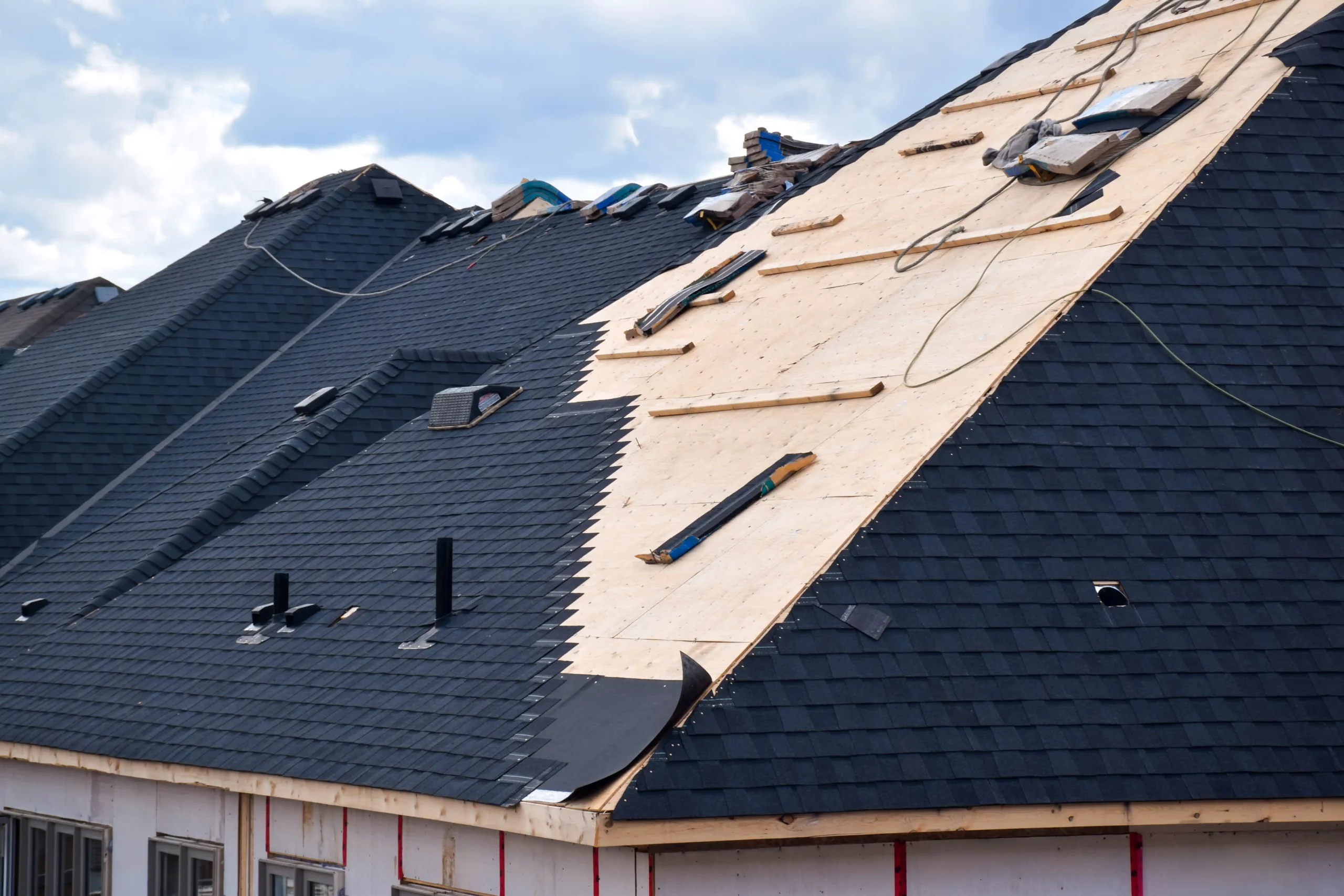
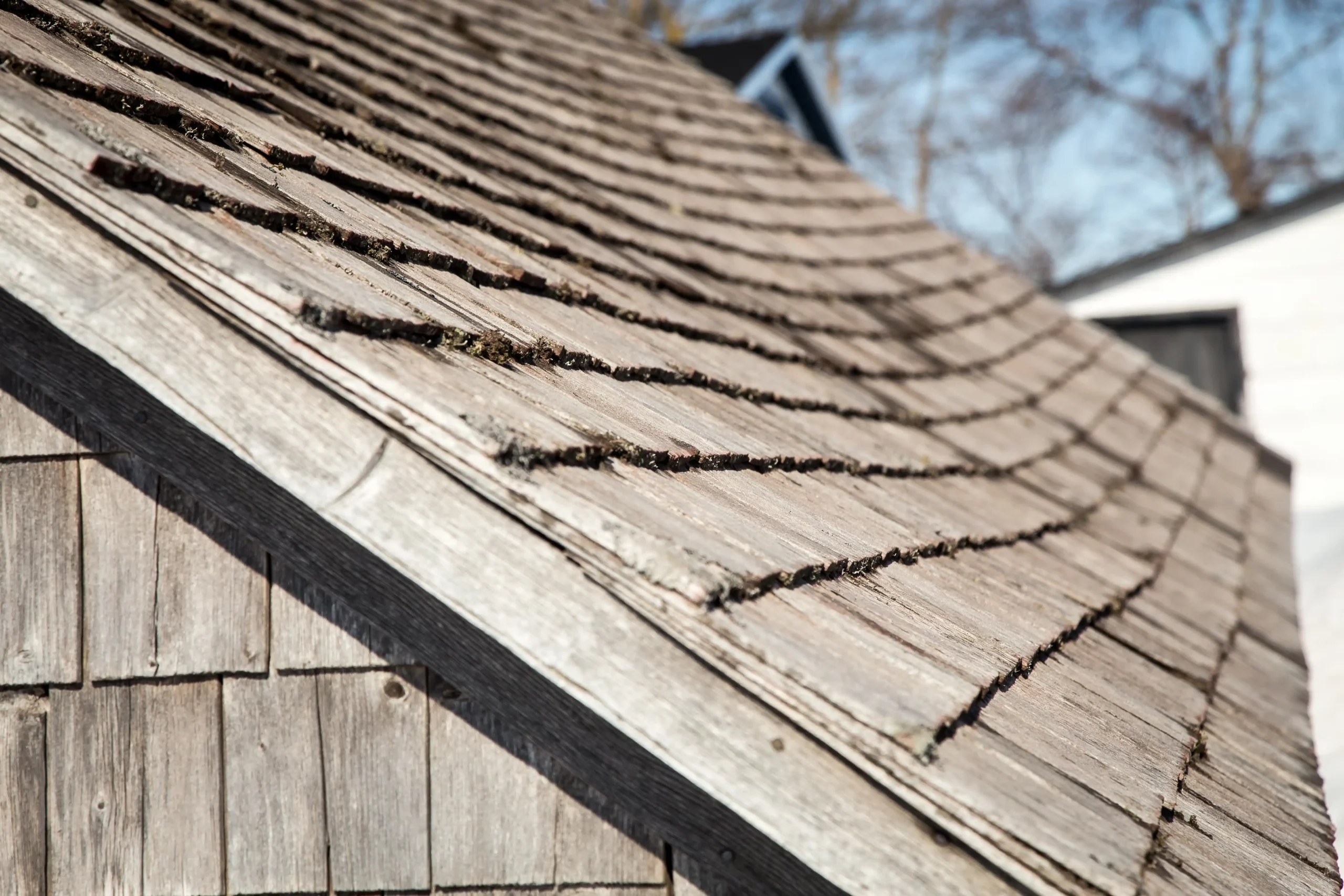
Some conditions cannot be confirmed until materials are removed or limited exploratory work is performed. Deteriorated deck, trapped moisture, multiple roof layers, concealed flashings, abandoned penetrations, or prior repairs may add work.
The proposal should distinguish known work from allowances and unforeseen conditions. Ask for unit prices or a written change-order method where practical, and require approval before material additional work proceeds except for true emergency protection.
Labor and jobsite conditions matter
Roof pitch, height, access, staging space, occupied areas, equipment, landscaping, safety controls, project phasing, and weather protection affect production. A simple, open site is not priced or performed the same way as a steep roof, an occupied commercial building, or a property with limited access.
Supervision, quality-control procedures, insurance, cleanup, documentation, and warranty service are also part of a contractor’s cost structure. An estimate that omits those items should not be treated as the same scope for less money.
Timing can affect the plan
Storm demand, lead times, scheduled shutdowns, manufacturer inspections, permits, and weather can change when work is feasible. Owners should ask for a realistic anticipated schedule and understand that roofing dates may move for safety or weather protection.
Be cautious with claims that signing immediately is the only way to preserve a price. A legitimate expiration date can be explained in writing, including which supplier quote or scheduling assumption it reflects.
How to compare estimates fairly
- Roof areas and measured quantities.
- Tear-off, disposal, and preparation.
- Deck or substrate allowances.
- Product manufacturer, line, and accessories.
- Flashings, penetrations, ventilation, drainage, and edge details.
- Permits, inspections, and testing.
- Property protection, cleanup, and site access.
- Exclusions and owner responsibilities.
- Payment and change-order terms.
- Workmanship and manufacturer warranties.
If a line is missing or vague, ask the contractor to clarify it in writing. The goal is not to force every proposal into the same solution; it is to understand the differences before choosing.
Ask for a current, property-specific scope
PinnacleView evaluates roof conditions and prepares written repair and replacement proposals for Central Texas homes and commercial properties. We will explain what is included, identify material assumptions, and describe foreseeable additional work before the project begins.
Call 254-674-9705 or use the contact form to request an evaluation.