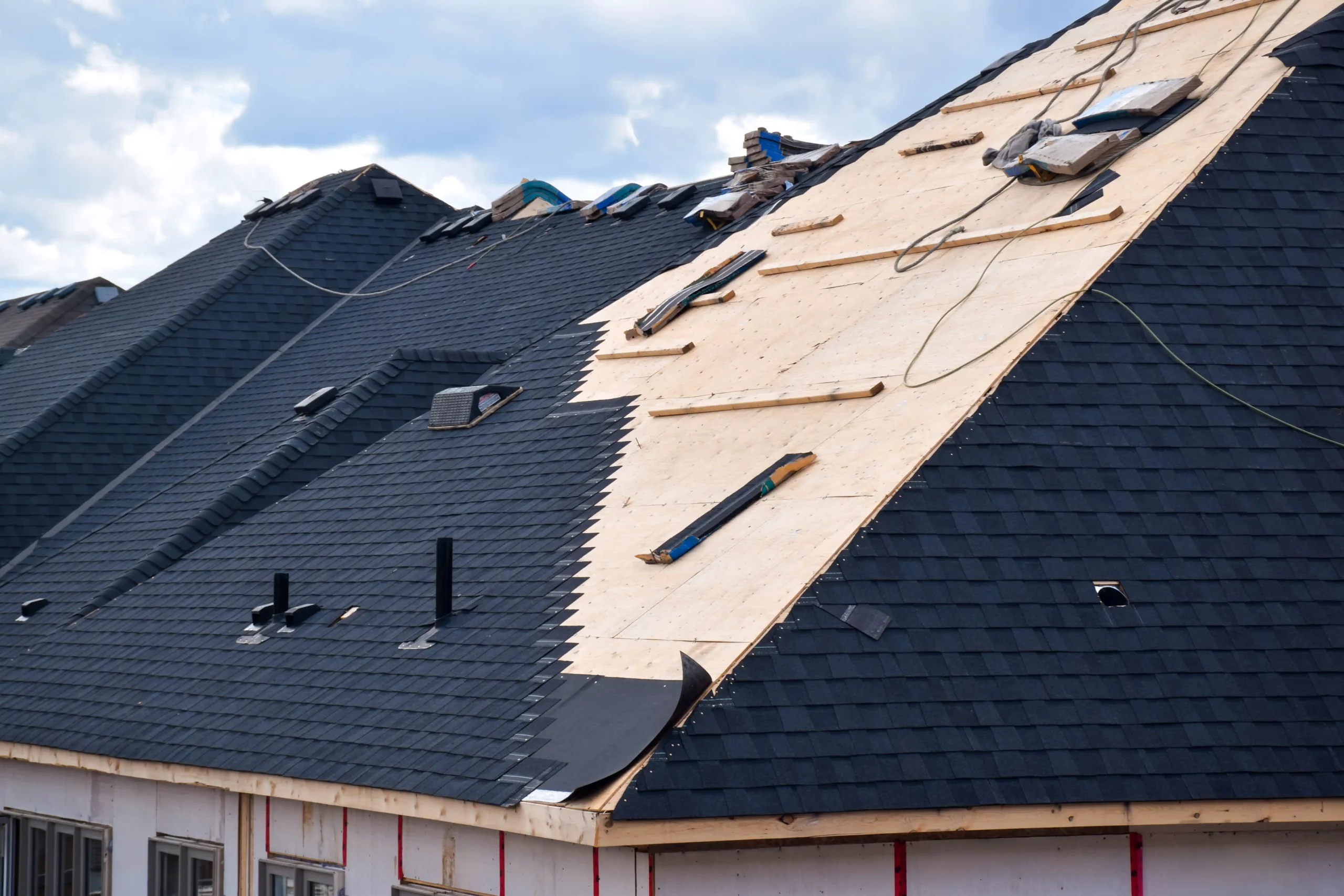
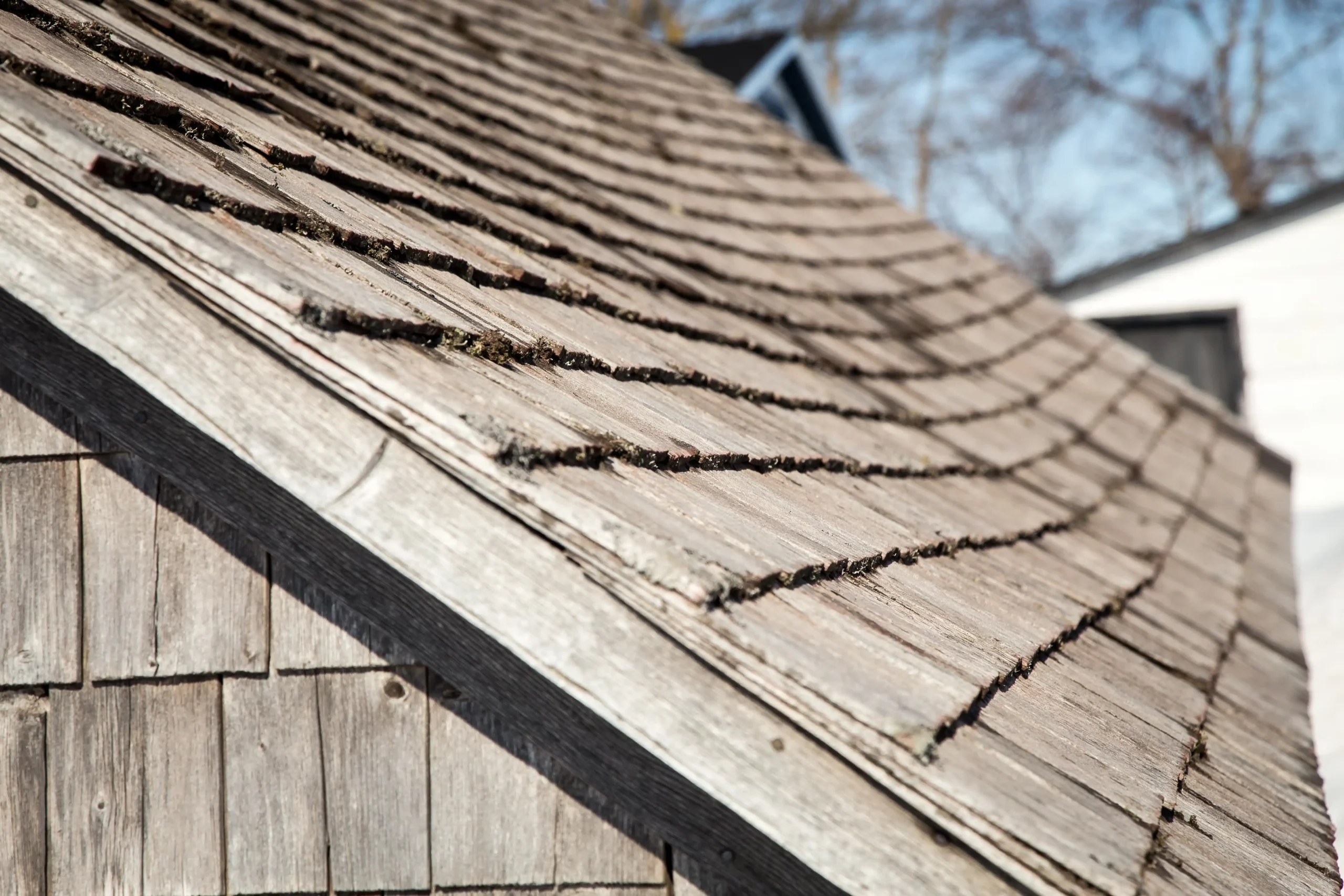
If a property may need both foundation work and roofing work, there is no responsible one-size-fits-all sequence. The right order depends on structural movement, active leaks, safety, the type of foundation work, and whether roof framing or drainage could be affected.
Start With Urgent Conditions
Do not postpone emergency roof work when water is entering the building, materials are loose, or the structure is unsafe. Temporary weather protection may be needed while the longer repair plan is developed. Likewise, signs of significant structural movement deserve prompt evaluation by an appropriately qualified professional.
Why the Projects May Need Coordination

Foundation stabilization or lifting can change portions of a building’s geometry. Depending on the structure and repair method, that movement may affect wall finishes, openings, framing, roof lines, flashings, or drainage. It does not follow that every foundation repair will damage a roof, or that foundation work must always happen first. It does mean that the contractors should understand each other’s scope before major work begins.
A Practical Planning Process
- Document current conditions. Note active leaks, ceiling stains, roof-line irregularities, wall cracks, sticking doors or windows, and recent changes. Photos with dates are useful.
- Get the right evaluations. A roofer can evaluate the roof system. Foundation and structural questions may require a qualified foundation professional or licensed engineer, depending on the condition and scope.
- Compare the proposed scopes. Ask whether foundation work is expected to change elevations or framing, and whether roof work involves decking, flashings, penetrations, or drainage that could be affected.
- Set the sequence in writing. Identify temporary weather protection, which work happens first, who reinspects adjoining work, and how unexpected movement or concealed damage will be handled.
When Foundation Work Often Comes First
Foundation work may reasonably precede a planned roof replacement when material structural movement is confirmed, no urgent roof condition requires immediate permanent repair, and the foundation scope is expected to change roof or wall geometry. Stabilizing the structure first can give the roofing contractor a more consistent surface to evaluate and work from.
When Roof Work Cannot Wait
Active water entry, wind-damaged materials, open penetrations, or other safety and weather-exposure concerns may require immediate roof stabilization or repair. The near-term solution could be temporary rather than the final roof scope, but leaving the building exposed can create additional damage.
Questions to Ask Before Signing Either Contract
- What condition has been observed, and what evidence supports the recommendation?
- Is the proposed work expected to move or alter the structure?
- Could the other project affect this scope, finish, drainage, or warranty?
- Who will document conditions before and after the work?
- Does either contractor recommend an engineer’s review?
The Bottom Line
The safest answer is not automatically “foundation first” or “roof first.” Address urgent conditions, obtain evaluations from the appropriate professionals, and coordinate both scopes before committing to major work.
Contact PinnacleView Roofing for a roof evaluation or a written roofing scope that can be coordinated with other planned work.