There is no single reliable price for a roof replacement without information about the property and the proposed scope. Square footage matters, but it is only one part of the estimate. Roof geometry, existing conditions, materials, flashings, ventilation, access, code requirements, and warranty terms can all change the amount of work.
An accurate proposal should explain those variables instead of relying on a generic price per square.
Measured roof area and geometry
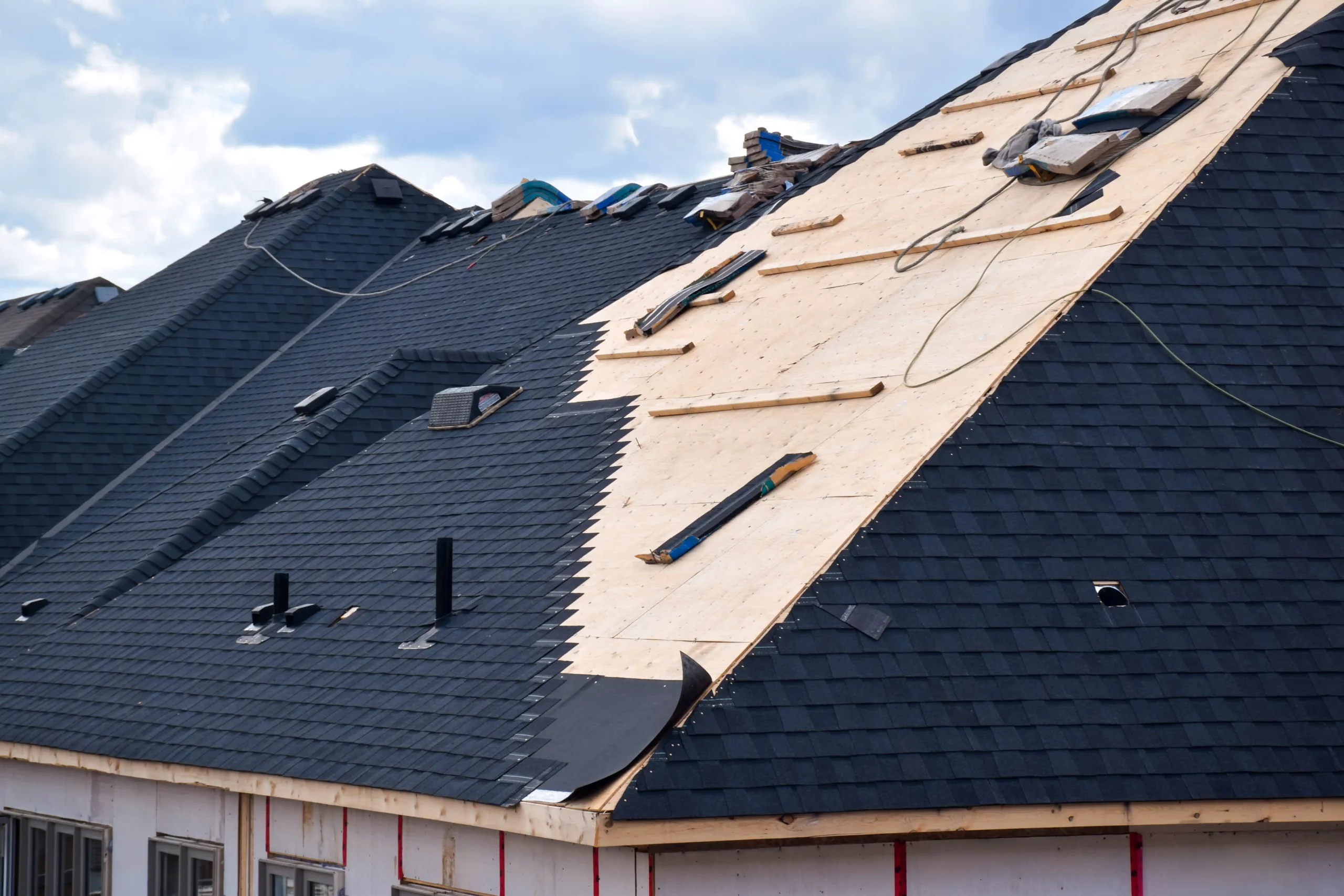
Roofing quantities are based on the roof surface, not just the home’s floor area. Pitch, hips, valleys, dormers, additions, intersecting slopes, waste factors, and the number of separate roof sections affect both material quantities and installation time.
A simple gable roof may require less cutting and detailing than a roof with multiple valleys, walls, dead valleys, or transitions. Steep or difficult-to-access areas can also require additional safety measures and slower production.
Tear-off and existing conditions
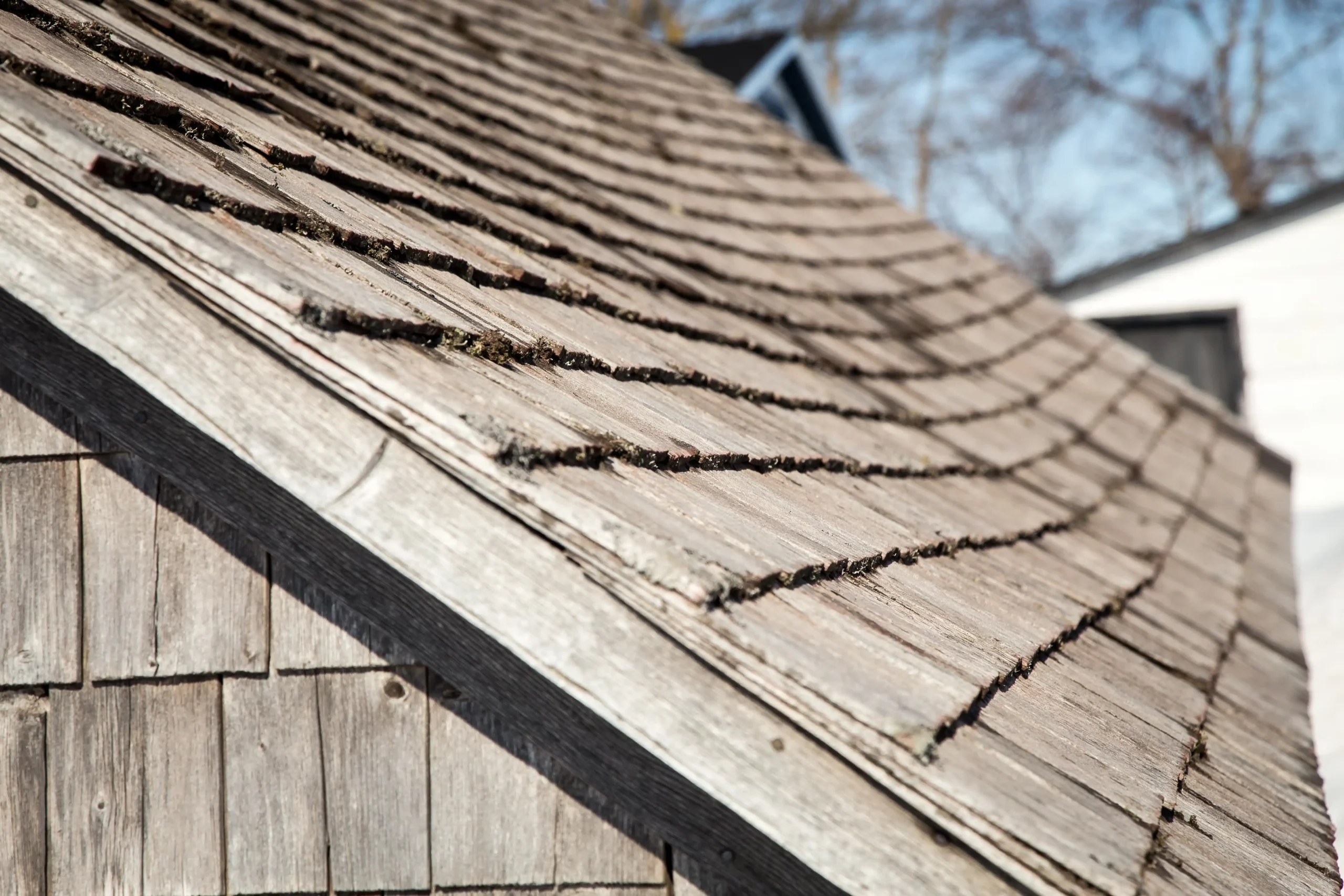
The number and type of existing roof layers affect removal, disposal, and preparation. After the roof covering is removed, deteriorated decking, previous repairs, concealed openings, or unsuitable substrates may become visible.
A proposal should state what the base price assumes and how unforeseen deck replacement or related work will be measured and approved. Unit pricing for likely additional work makes change orders easier to understand.
The complete roof assembly
The roof covering is only one part of the system. Depending on the roof and the selected product, the scope may include underlayment, leak barriers, starter materials, hip and ridge components, fasteners, flashings, pipe boots, vents, intake and exhaust ventilation, edge metal, sealants, and manufacturer-required accessories.
Two proposals using the same shingle brand can still differ materially if they specify different product lines, underlayments, accessories, ventilation work, or installation details.
Flashings, penetrations, and transitions
Walls, chimneys, skylights, valleys, plumbing vents, mechanical equipment, and changes between roof systems require project-specific details. Reusing a component may cost less initially, but the proposal should explain what will be reused, replaced, or excluded and why.
These details are often where apparently similar estimates differ.
Ventilation and related building conditions
Roof work may reveal or intersect with attic ventilation, bath or kitchen exhaust terminations, insulation, HVAC components, solar equipment, gutters, siding, masonry, or exterior-wall conditions. The roofer should identify which related work is included and which items require another trade.
No proposal should promise a particular energy savings or service life without a reasonable basis and clearly stated assumptions.
Permits, adopted codes, and manufacturer instructions
Permit and inspection requirements vary by jurisdiction. The applicable code edition and local amendments may also change over time. A contractor should identify the permit responsibility and install the selected system in accordance with applicable requirements and current manufacturer instructions.
Code-related work should be described specifically. A broad statement that everything is “to code” is not a substitute for a clear scope.
Site access, protection, and logistics
Driveway access, landscaping, pools, neighboring structures, overhead lines, limited staging space, occupied areas, and material-delivery restrictions can affect how the project is performed. The estimate may also include protection, cleanup, magnetic nail collection, haul-off, and special handling for rooftop or exterior equipment.
Ask how the contractor will protect the property and what the owner must move or prepare before work begins.
Labor, supervision, and scheduling
The proposal should account for trained labor, jobsite supervision, safety, quality-control checks, and weather planning. Very low pricing may reflect a different scope, production approach, insurance position, or warranty—not necessarily the same work at a better value.
Material quotes and contractor proposals may have expiration dates. If the project is delayed, ask which portions of the proposal are subject to re-pricing rather than assuming every line will change.
Warranty choices
Workmanship warranties and manufacturer warranties cover different things. Manufacturer warranty options may depend on the complete product system, contractor eligibility, registration, inspections, or other requirements.
Ask who provides each warranty, what is covered, what is excluded, how service is requested, whether transfer is allowed, and what maintenance or documentation the owner must retain.
Insurance and impact-resistant materials
Some insurers may offer a premium discount for qualifying impact-resistant roof coverings, but eligibility and the amount are determined by the insurance company. The Texas Department of Insurance advises property owners to check with their insurer and explains that documentation may be required.
An impact classification is not a promise that the roof cannot be damaged, and a potential insurance discount should not be presented as guaranteed savings. Confirm the product, policy, forms, and current insurer requirements before making a decision.
What to request in a roof proposal
- measured roof area and assumptions;
- removal and disposal scope;
- deck-replacement assumptions and unit prices;
- roof-covering manufacturer and product;
- underlayment, leak barrier, starter, ridge, and accessory products;
- flashing, ventilation, penetration, and transition work;
- permit responsibility;
- property-protection and cleanup procedures;
- exclusions and owner responsibilities;
- payment schedule and change-order process; and
- workmanship and manufacturer warranty terms.
The best budget is based on an inspected property and a written scope. PinnacleView provides roof evaluations and written repair or replacement proposals for Central Texas properties.
Call 254-674-9705 or use the contact form to schedule an evaluation.