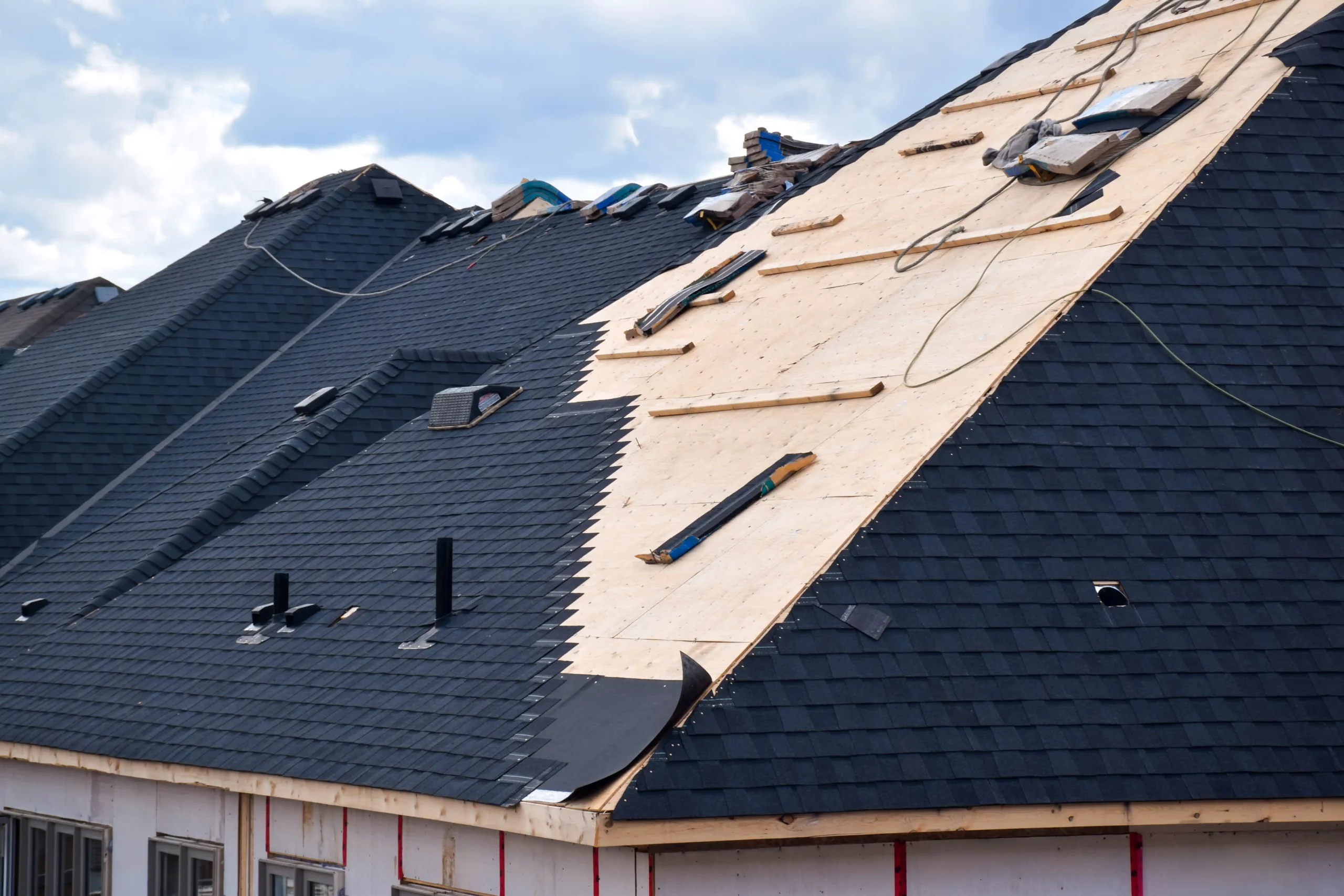
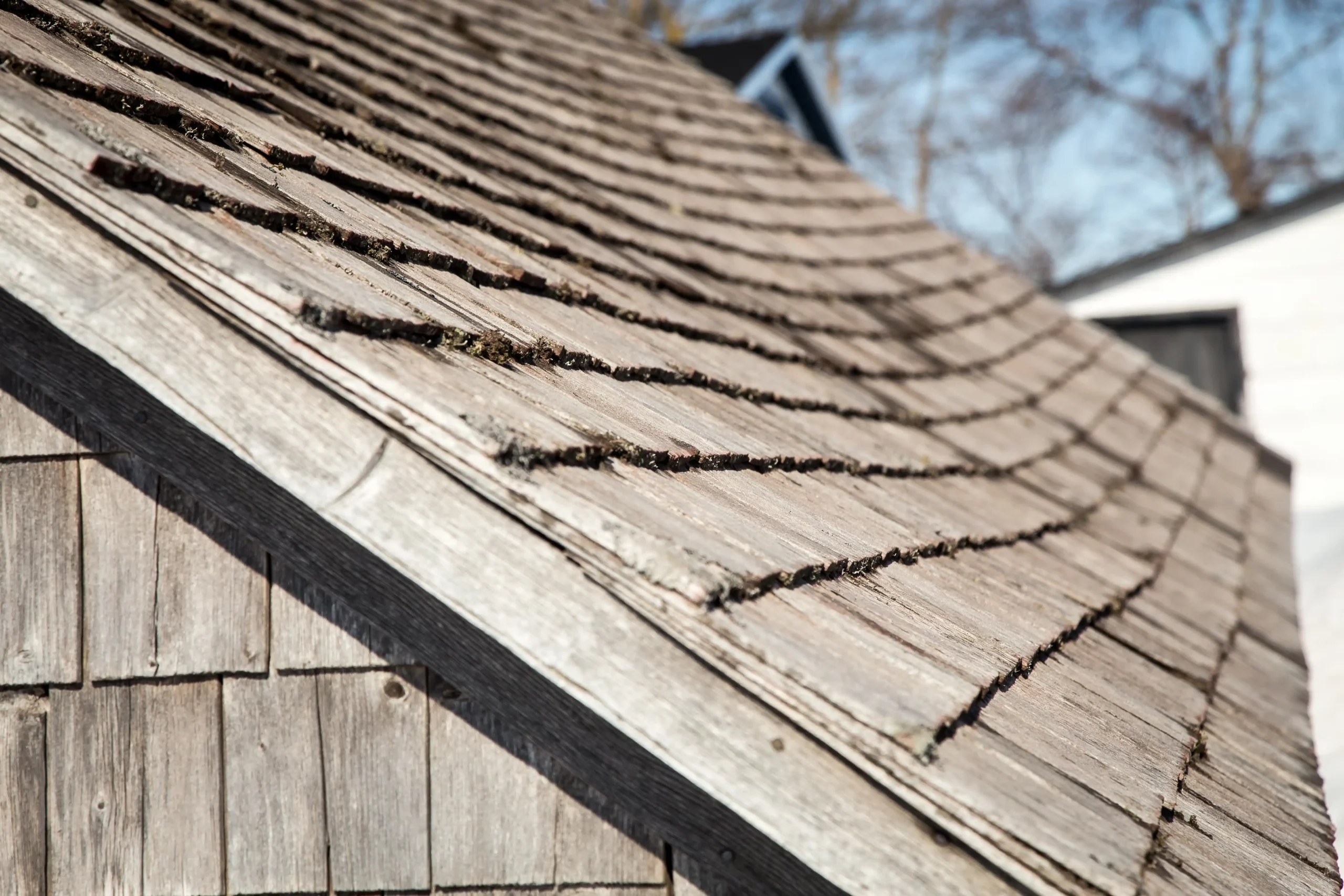
When a commercial roof needs repair, replacement, or planned maintenance, choosing a contractor is not simply a matter of comparing the bottom line on several proposals. Two estimates can appear to cover the same project while including different materials, preparation, details, warranties, or assumptions.
The most useful comparison starts with the roof, the building, and the owner’s priorities. It then asks whether each contractor has proposed a clearly defined way to meet them.
Start with the Texas licensing reality
Texas does not currently issue a mandatory statewide roofing-contractor license. Local registration, permits, and inspection requirements can still apply, and other regulated trades may be involved in a project.
The Roofing Contractors Association of Texas operates a voluntary licensing program. An RCAT credential can be one useful qualification, but it is not a state license and should not replace ordinary due diligence.
Before work begins, ask a contractor for current evidence of insurance, relevant references, a written scope, warranty terms, and an explanation of required permits. Verify important documents with the issuing organization or carrier rather than relying only on a logo or statement in a proposal.
Confirm experience with the proposed roof system
Commercial roofing is not one product. A contractor may work with thermoplastic single-ply membranes, modified bitumen, coatings, standing-seam metal, exposed-fastener metal, shingles, or combinations of systems at walls, curbs, and additions.
Ask which systems the company installs and services regularly. A useful answer should address the proposed assembly, the manufacturer, attachment or fastening method, insulation, drainage, flashings, penetrations, transitions, and the existing roof conditions that affect the work.
If a manufacturer warranty is part of the proposal, confirm what type of warranty is being offered, who issues it, whether the contractor is authorized for that system, what inspections are required, what exclusions apply, and what maintenance the owner must perform. A longer stated term does not automatically mean broader coverage.
Compare written scopes, not just totals
A commercial roof proposal should make it possible to understand what is included and what remains uncertain. Depending on the project, that may include:
- the roof areas and approximate quantities covered by the proposal;
- removal, recovery, or repair of the existing assembly;
- assumptions about concealed wet insulation or deteriorated deck;
- insulation type, thickness, and attachment;
- membrane, metal, coating, or roof-covering specifications;
- perimeter, penetration, curb, drain, scupper, and wall-transition details;
- temporary protection and weather planning;
- permits, testing, manufacturer inspections, and closeout documents;
- exclusions and unit prices for foreseeable additional work; and
- workmanship and manufacturer warranty terms.
If one estimate is substantially lower, identify the actual scope differences before deciding that it represents a savings.
Ask who will supervise and document the work
The quality of a design or proposal depends on execution. Ask who will be responsible for the project, how the site will be supervised, how safety and building access will be managed, and how changes will be documented.
For an occupied building, the plan may also need to address noise, odors, deliveries, parking, tenant communication, interior protection, rooftop equipment, and daily dry-in procedures. A contractor should be able to explain how the work will be sequenced to limit disruption and water-entry risk.
Progress photographs, daily records, manufacturer inspection reports, approved change orders, warranty documents, and maintenance instructions can be valuable parts of the final project file.
Check relevant references
The most useful references involve buildings, roof systems, and project conditions similar to yours. Ask whether the contractor completed the work on schedule, communicated changes clearly, protected the occupied property, responded to punch-list items, and remained available after completion.
Also consider whether the company has a permanent local presence and a service process for repairs and warranty requests. A warranty is most useful when the responsible parties can be reached and the owner understands how to request service.
Separate an estimate from an independent condition assessment
A contractor’s inspection can be the right starting point when the owner wants a repair or replacement proposal. The contractor may diagnose conditions and recommend work, but the company may also be offering to perform the work it recommends.
When the cause, extent, responsibility, or appropriate scope is disputed—or when an acquisition, claim, design, or quality-assurance decision requires an opinion separated from the sale of repairs—the owner may benefit from a qualified independent consultant. The assignment and any financial interests should be clear to everyone involved.
A practical comparison checklist
- The company is established and reachable.
- Current insurance documentation has been provided and verified.
- Relevant project and roof-system references have been checked.
- The proposed scope is detailed enough to compare with other proposals.
- Concealed-condition assumptions and change-order procedures are written.
- Project supervision, safety, access, and weather protection are addressed.
- Permit and local requirements are identified.
- Manufacturer and workmanship warranties are described accurately.
- Closeout documentation and future maintenance responsibilities are defined.
- Pressure, vague promises, and verbal-only commitments have been avoided.
Discuss the roof and the decision you need to make
PinnacleView provides commercial roof repairs, replacements, maintenance, leak diagnostics, and storm-related roofing work in Central Texas. We can evaluate the property, explain the conditions we observe, and prepare a written proposal for an appropriate contracting scope.
Call 254-674-9705 or use the contact form to discuss your commercial roofing project.